Sew Aholic: A Closer Look
As an embroidery designer with years of experience, I’ve seen my fair share of digital designs. When I came across Sew Aholic, I was curious to see how it would hold up in real-world projects. This design promises a range of file formats and high-quality mockups, but what does that mean for actual use? Let’s break it down.
First Impressions: What Does Sew Aholic Bring?
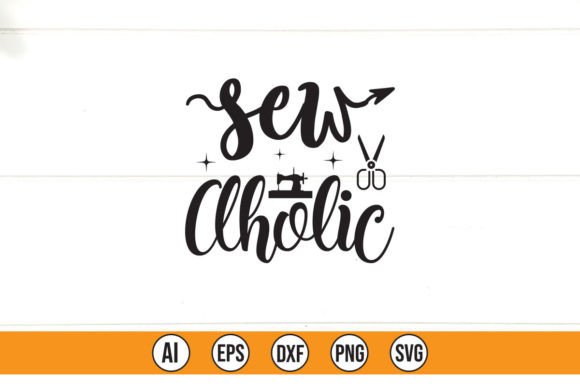
Sew Aholic has a clean, modern aesthetic that feels versatile. The layout is well-balanced, with enough detail to stand out without being overwhelming. It’s the kind of design that could work on a variety of items—t-shirts, tote bags, or even baby clothes. The color options are impressive, and the ability to change colors easily makes it a flexible choice for different projects.
The theme is straightforward but effective. It doesn’t scream for attention, which is a good thing if you’re looking for something subtle yet stylish. Whether it’s for a small business or a personal project, Sew Aholic feels like it could fit into many different contexts.
Real-World Use: How Does It Perform?
I tested Sew Aholic on a custom embroidered tote bag for a client who wanted something unique but professional. The design translated well onto cotton fabric, and the stitch density was just right—enough to make the details pop without being too dense. It worked well with both satin and fill stitches, giving a smooth finish.
For a sweatshirt, the design didn’t stretch or distort, which is important when working with stretchy fabrics. On a baby onesie, the details remained clear, and the transparent background made it easy to place the design exactly where needed. It also looked great on a patch, where the precision of the lines really stood out.
One thing to note is that while the design is detailed, it’s not overly complex. That makes it ideal for smaller hoop sizes, but if you’re working on a larger piece, you might need to adjust the placement accordingly.
Where to Be Careful: Potential Pitfalls
While Sew Aholic is generally reliable, there are some situations where it might not perform as expected. On textured fabrics, the design can sometimes look a bit flat, so using the right stabilizer is key. Thin or stretchy fabrics may require extra support to prevent puckering or distortion.
Dark fabrics can be a challenge, especially if the design uses light thread colors. I found that testing the design on a dark background helped me choose the best thread colors for visibility. Similarly, on curved surfaces like caps, the design might need slight adjustments to maintain its shape and clarity.
Small details, like tiny lettering or intricate corners, can be tricky. If the design includes these elements, it’s worth checking them closely before stitching. Dense areas might also need more careful handling to avoid overcrowding the stitches.
Impact on Visual Appeal and Customer Perception
Sew Aholic adds a level of professionalism to any project. When used on a handmade product or personalized gift, it elevates the overall look and feel. Customers often notice the quality of the embroidery, and a well-executed design can increase trust and satisfaction.
For a craft business or Etsy seller, having a design that looks polished and consistent is essential. Sew Aholic fits well into brand aesthetics, making it a strong choice for boutique products or small shop merchandise. It also works well for printable mockups, allowing buyers to visualize the final product before purchasing.
When used in commercial embroidery projects, Sew Aholic maintains its quality and clarity. It’s a reliable asset for anyone looking to offer high-quality, customizable designs to their clients.
Practical Tips for Designers and Sellers
If you’re planning to use Sew Aholic in your embroidery projects, here are a few things to keep in mind:
- Test the design on scrap fabric first to ensure it works with your specific materials and machine settings.
- Check thread color contrast to make sure the design stands out on different backgrounds.
- Review stitch density to avoid issues with overcrowding or poor coverage.
- Confirm the hoop size needed for your project to ensure the design fits properly.
- Inspect small details to catch any potential problems before stitching.
- Test the design in black and white mockups to see how it looks without color.
- Compare light and dark fabric backgrounds to determine the best thread colors.
- Use proper stabilizer for delicate or stretchy fabrics.
- Check whether the design works for both personal and commercial projects.
- Confirm licensing terms before selling finished items or digital products.
Final Thoughts: Is Sew Aholic Worth It?
Sew Aholic is a solid choice for embroidery designers, small business owners, and crafters looking for a versatile, high-quality design. Its clean lines, multiple file formats, and customizable options make it suitable for a wide range of projects. While it’s not perfect for every situation, it performs well in most standard embroidery scenarios.
If you’re looking for a design that can be used in custom apparel, personalized gifts, or small business merchandise, Sew Aholic is definitely worth considering. Just remember to test it thoroughly and tailor it to your specific needs before using it in a final project.